Inquiry lies at the core of effective teaching and learning, particularly within the IB Primary Years Programme (PYP). It encourages students to explore concepts deeply, think critically, and take ownership of their learning.
However, a common challenge remains: “How can educators bring inquiry to life in a meaningful and engaging way?”. The answer lies in hands-on learning experiences.
In an inquiry-driven classroom, students are encouraged to ask meaningful questions such as:
- Why does this happen?
- What happens if we change this variable?
- How can we test this idea?
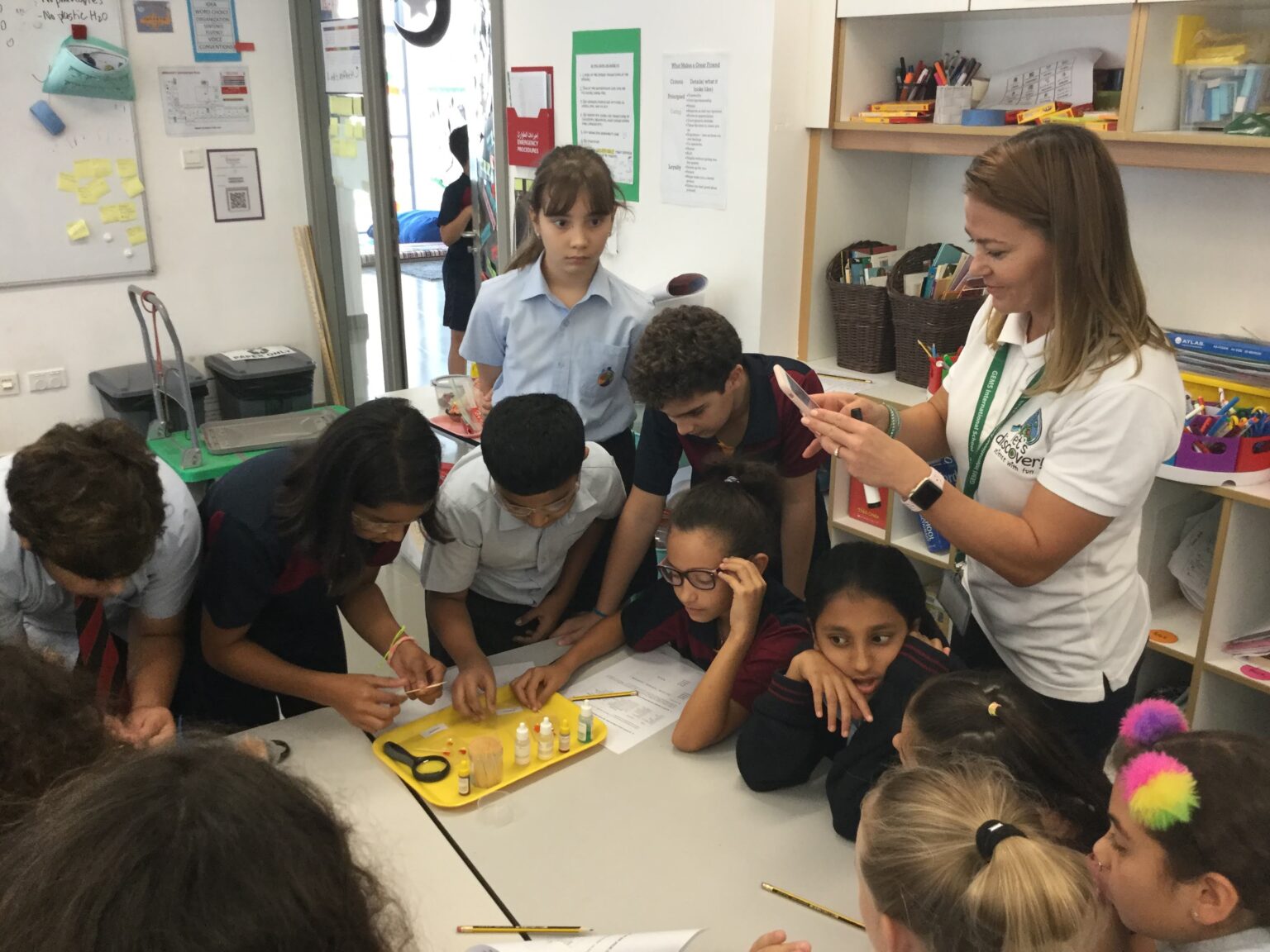
Hands-on activities naturally support this process by placing students in situations where curiosity is generated and questions arise spontaneously. Rather than being passive recipients of information, students become active participants in their own learning journey.
Learning Through the Scientific Process
Through practical investigation, students engage with the scientific method in an authentic way. They are encouraged to:
- Test ideas through experimentation
- Observe outcomes and patterns
- Reflect on their findings
- Draw conclusions based on evidence
For example, within a unit on forces, students may investigate how different surfaces affect movement. By testing and comparing results, they discover the concept of friction through experience, rather than simply being told about it. This approach leads to deeper understanding and long-term retention.
Hands-on science supports the development of strong conceptual understanding by:
- Connecting theory to real-world application
- Encouraging reflection and analysis
- Promoting independent and critical thinking
This ensures that learning moves beyond memorisation and becomes meaningful and transferable.
Educators’ Role
While hands-on learning empowers students, the role of the educator remains essential. Teachers guide the inquiry process by:
- Facilitating learning through purposeful questioning
- Encouraging collaboration and discussion
- Supporting students in developing deeper levels of thinking
Final Thought
Inquiry is not something that can simply be instructed—it must be experienced. Hands-on learning provides the ideal environment for this, enabling students to explore, question, and discover in a way that brings learning to life.
When students engage in inquiry through experience, they don’t just learn science—they begin to think like scientists.