“I hear and I forget. I see and I remember. I do and I understand” (Confucius)
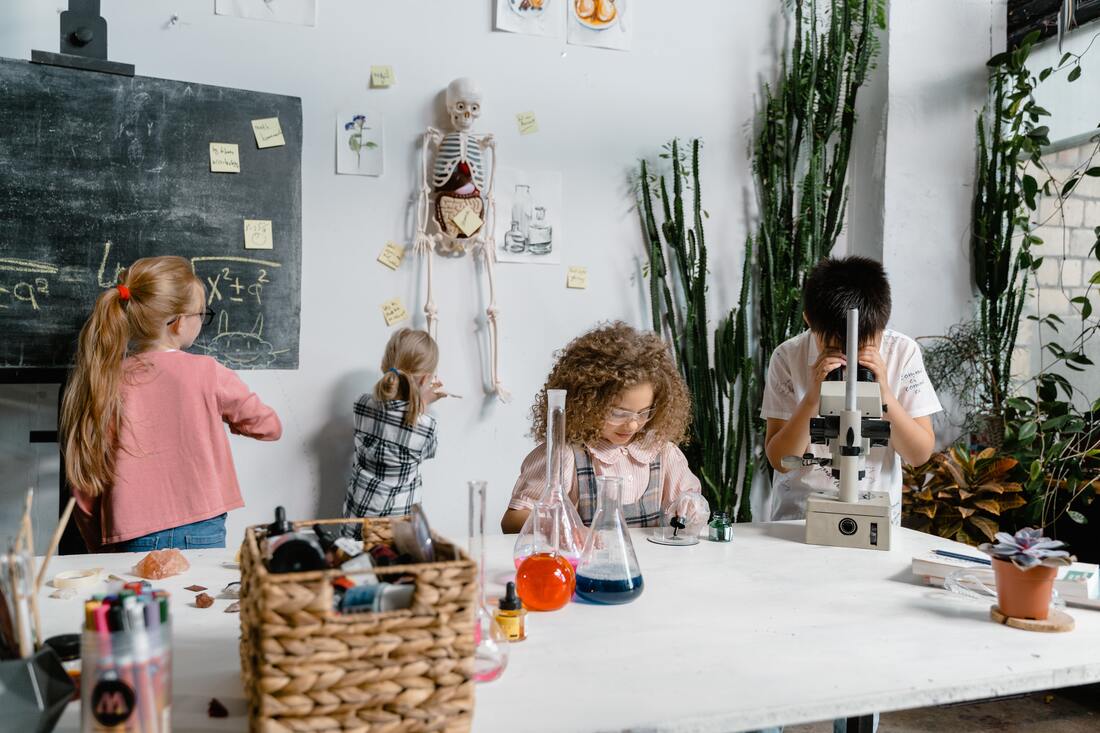
Science workshops are designed to engage students by making science fun and interesting.
Hands on learning experiences that allows students to explore and experiment scientific concepts in a practical way.
Workshops are aligned with school curriculum ensuring that content is relevant to what students are learning in the classroom
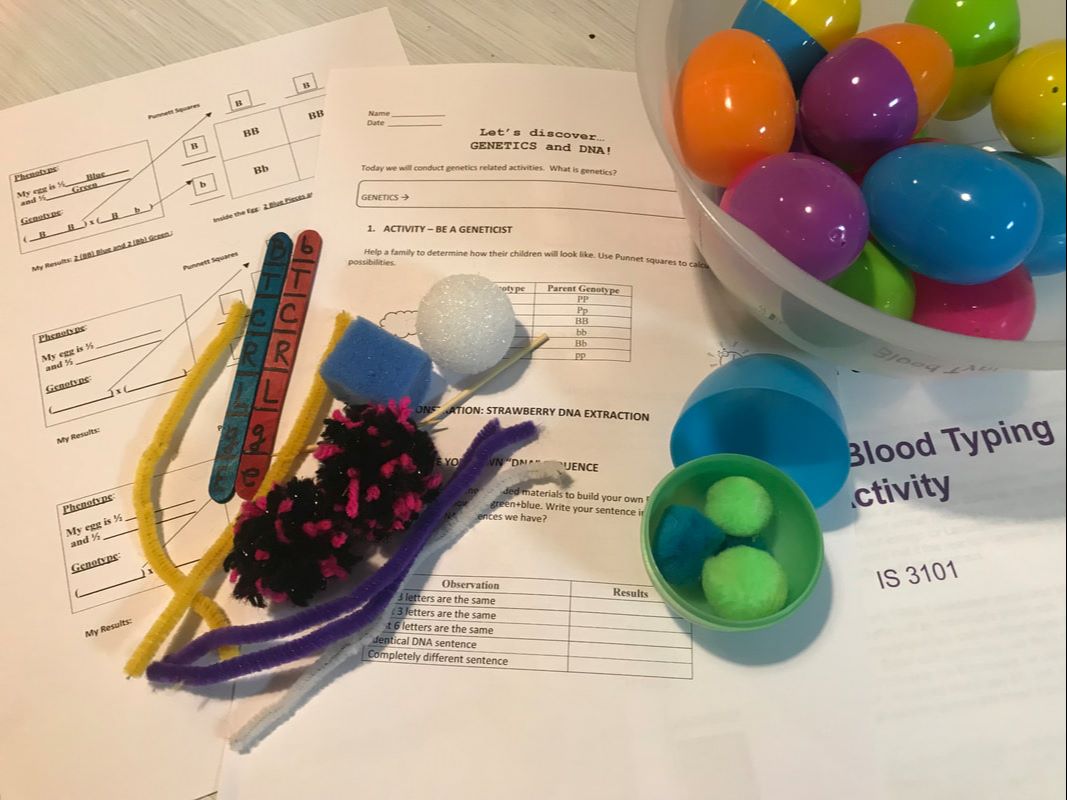
What makes DNA the “code of life”? How does it determine what we look like? And how are traits passed from one generation to the next? This engaging, hands-on workshop introduces students to the fundamentals of genetics, including DNA structure, genotype and phenotype, and the principles of dominant and recessive inheritance. Through interactive activities, students learn to read simple DNA sequences, model inherited traits, and apply their knowledge in a real-world context.
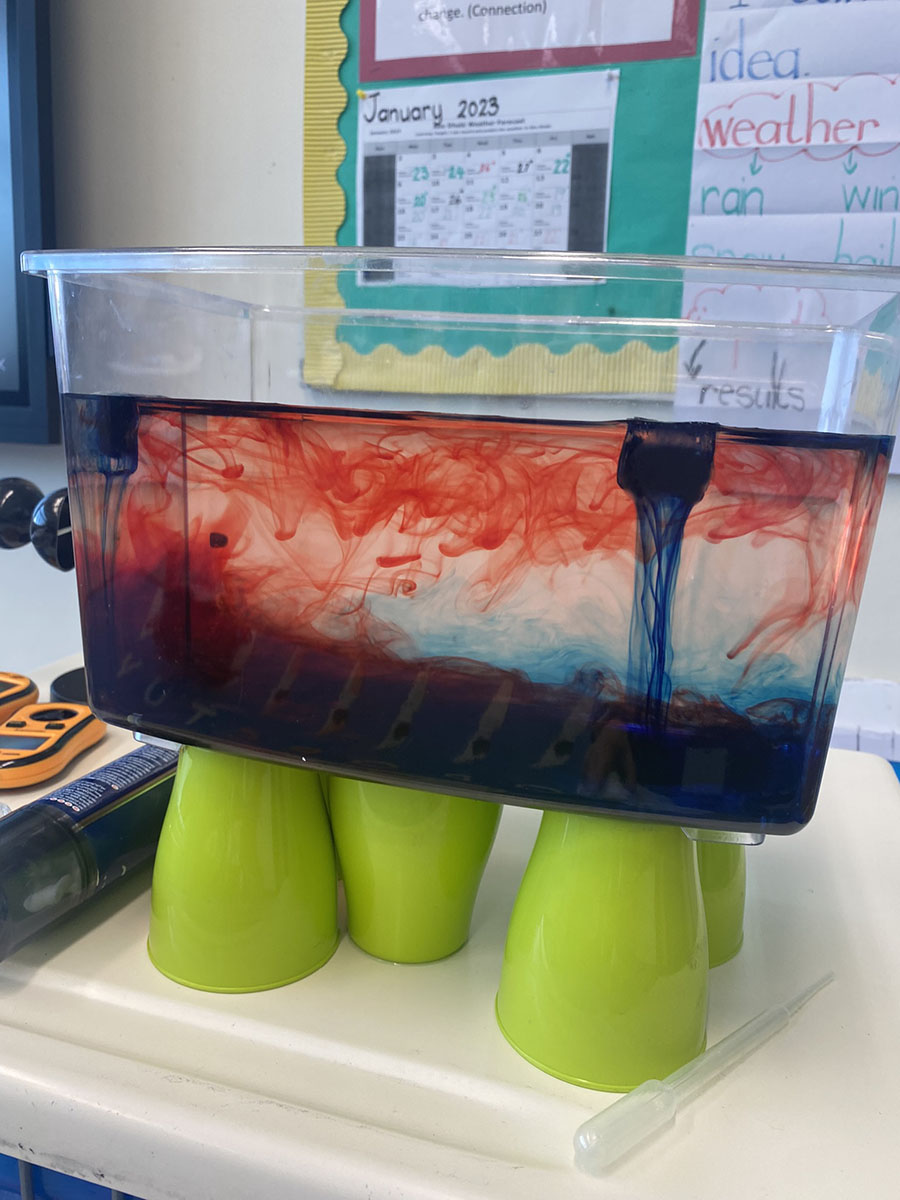
Where does rain come from? What causes wind, storms, and tornadoes? In this engaging, hands-on workshop, students explore the science of weather by investigating the water cycle and its role in shaping our climate. Through interactive experiments, they examine how Earth’s rotation influences weather patterns and learn to observe and measure wind using simple meteorological tools. Through interactive activities, students create and study tornado formation, observe frost and rainbow phenomena, and explore the science behind thunder.
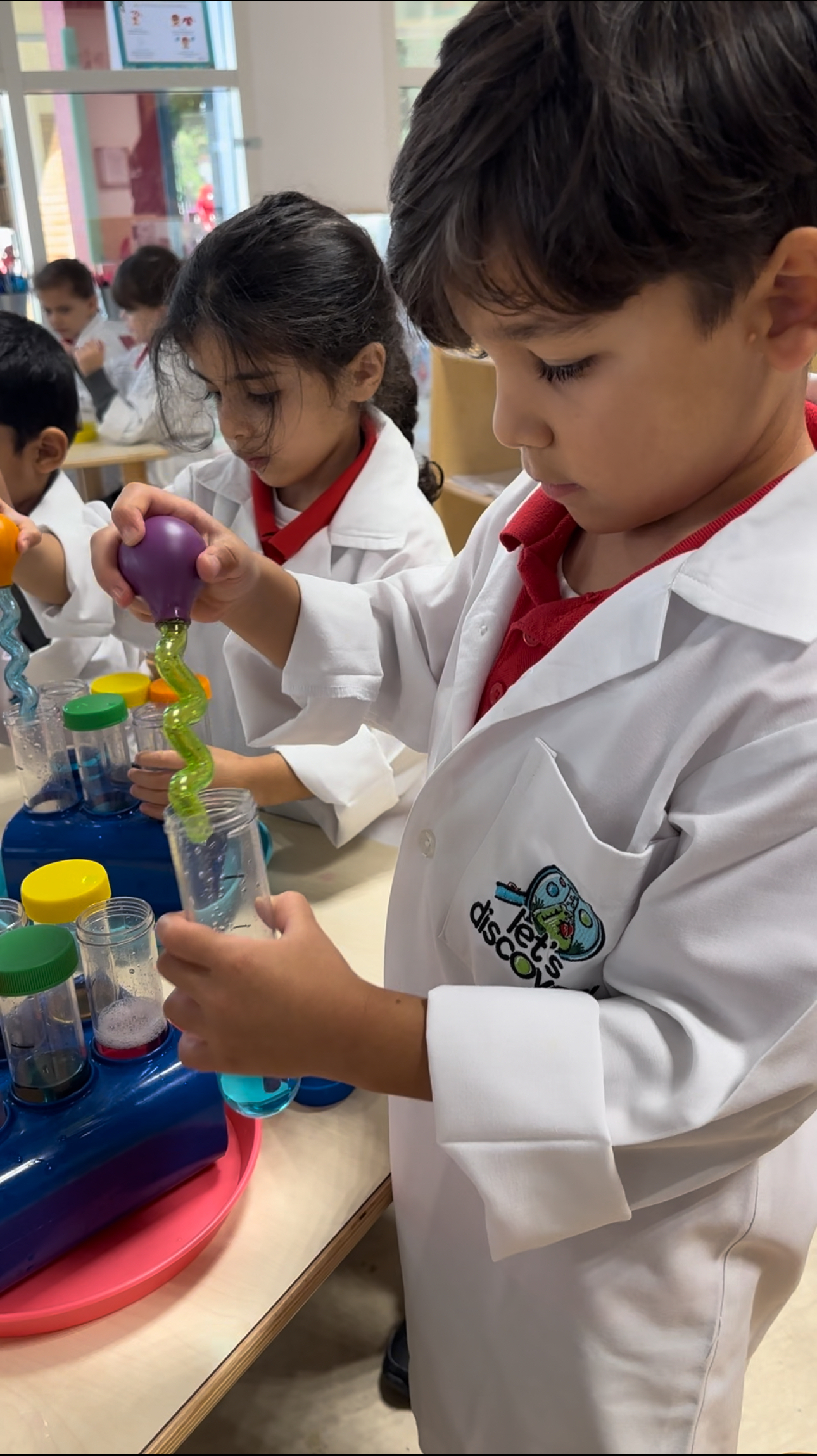
This engaging, inquiry-based workshop introduces students to the fundamentals of matter, exploring the three common states through the lens of particle arrangement and behaviour. Designed to foster critical thinking, students investigate key concepts such as solutions, suspensions, and non-Newtonian fluids through a series of hands-on experiments, developing skills in observation, prediction, and data interpretation. As the session progresses, students explore how matter changes, distinguishing between physical and chemical transformations.
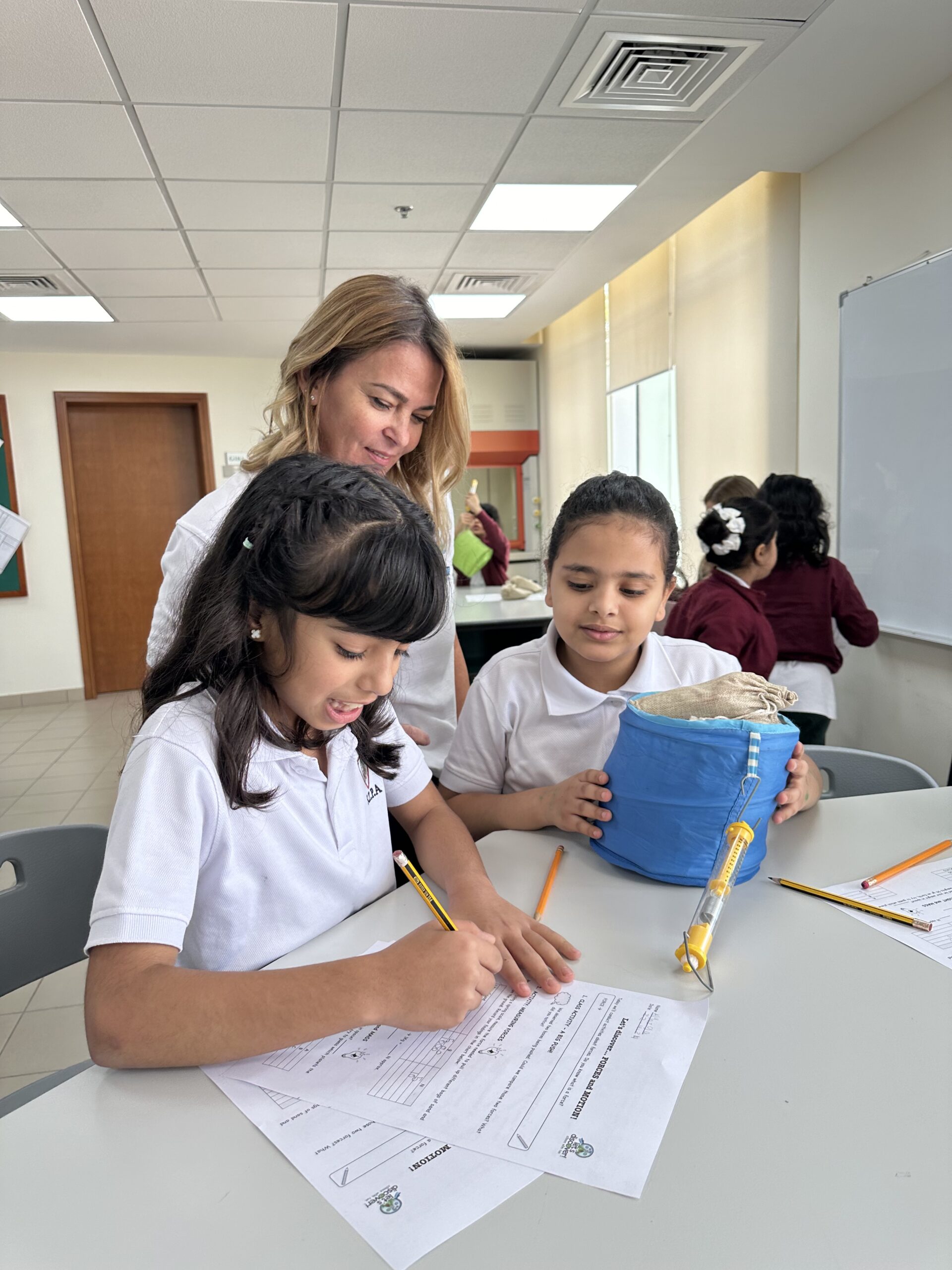
What is a force, and how does it shape the way objects move? In this dynamic, hands-on workshop, students explore fundamental physics concepts through interactive experimentation. Using ramps, spring scales, and magnets, they investigate pushes, pulls, and gravity, gaining a clear understanding of how forces influence motion. Through guided inquiry, students develop the scientific language needed to describe these concepts while being introduced to key ideas such as inertia and the distinction between mass and weight.

How do we identify and classify materials based on their properties? This engaging science workshop invites students to investigate the properties of materials and the objects they shape, while exploring their real-world applications. Through a sequence of hands-on, inquiry-based activities, students develop critical thinking and problem-solving skills as they test properties such as absorbency or conductivity. They are challenged to select suitable materials for specific purposes, encouraging them to consider performance under varying conditions.
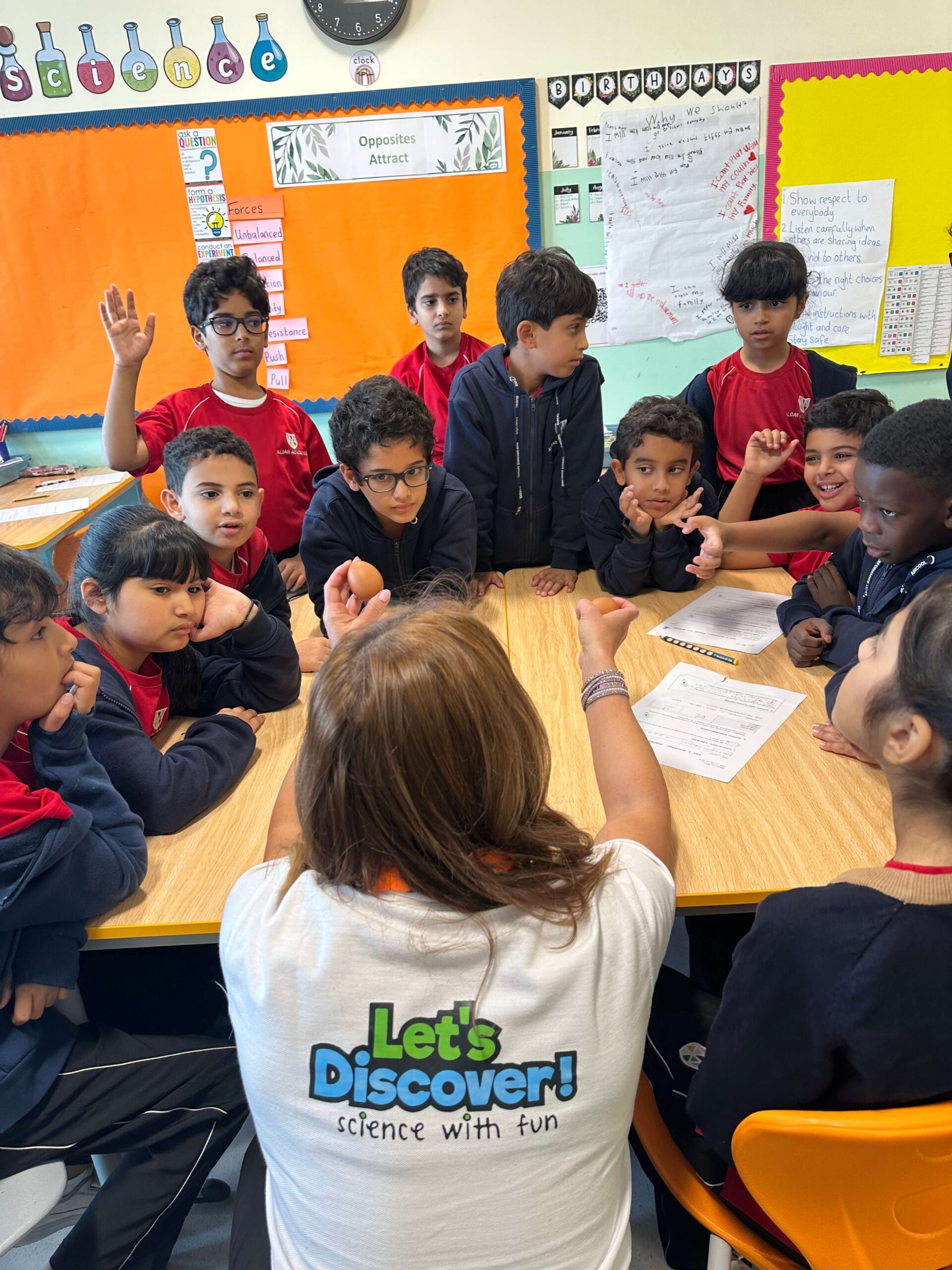
What is sound and how does it travel? How do we hear it? This engaging, hands-on workshop introduces students to the science of sound, exploring how vibrations create waves and how these waves travel through solids, liquids, and gases. Through interactive experiments, students investigate sound transmission, pitch, and volume, while using real scientific tools to test their ideas and predictions. Students also explore how the ear processes sound and take part in practical challenges to understand sound insulation and how different materials can reduce noise.
What makes a structure strong and stable? In this engaging, hands-on workshop, students step into the role of junior engineers to investigate how materials, shapes, and forces influence structural performance. Through practical investigations, they test different materials and shapes, applying engineering in investigating bridges. The workshop concludes with an exploration of iconic UAE buildings, connecting their learning to real-world engineering and construction.
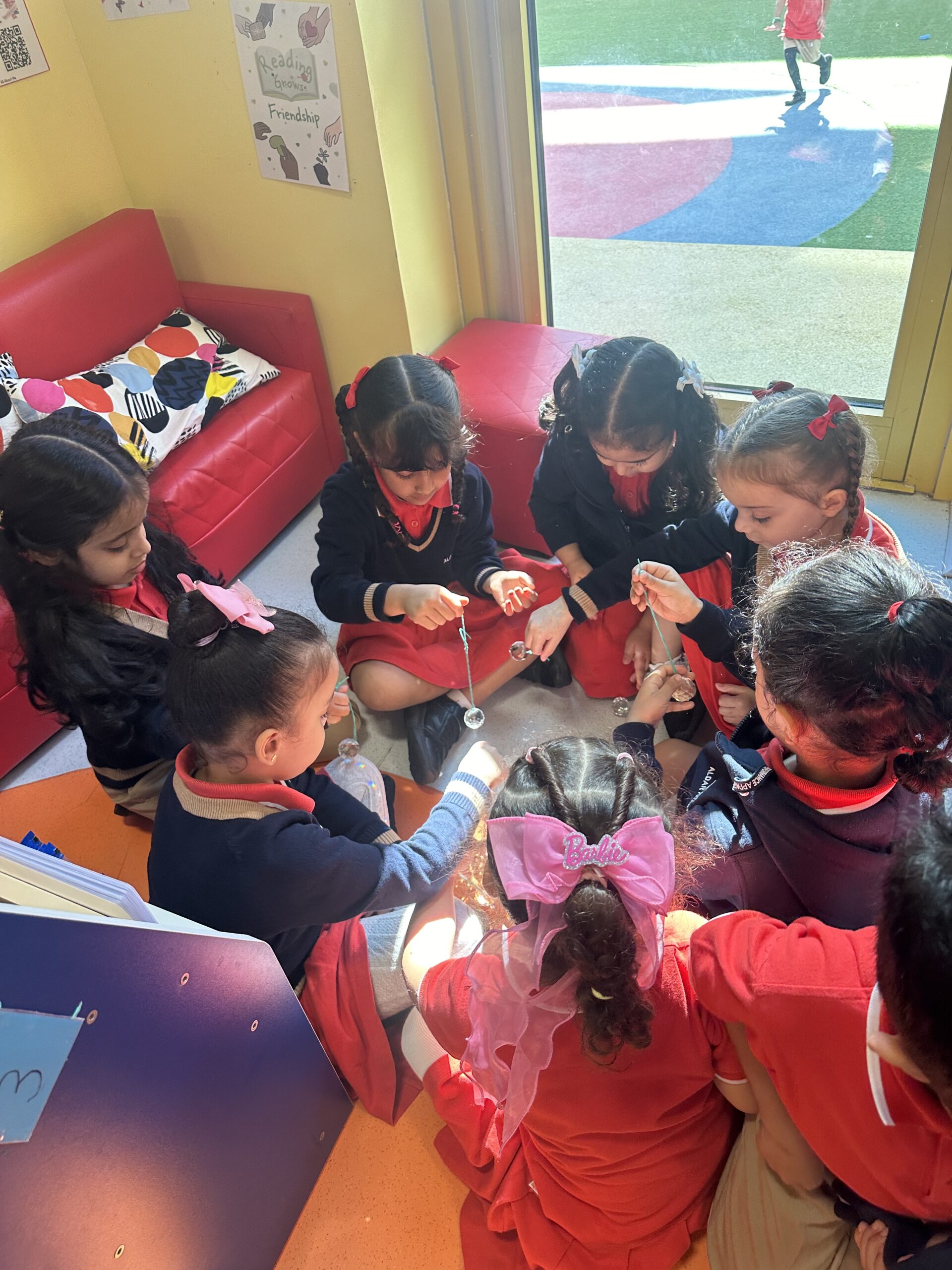
This engaging, hands-on STEM workshop invites students to explore the fascinating world of light through interactive investigation. Students examine natural and artificial light sources, uncover the science behind rainbows and light scattering, and discover why we experience day and night. Through practical experiments, they investigate reflection, refraction, and shadows, before building simple solar-powered circuits to connect scientific concepts with real-world applications and renewable energy.
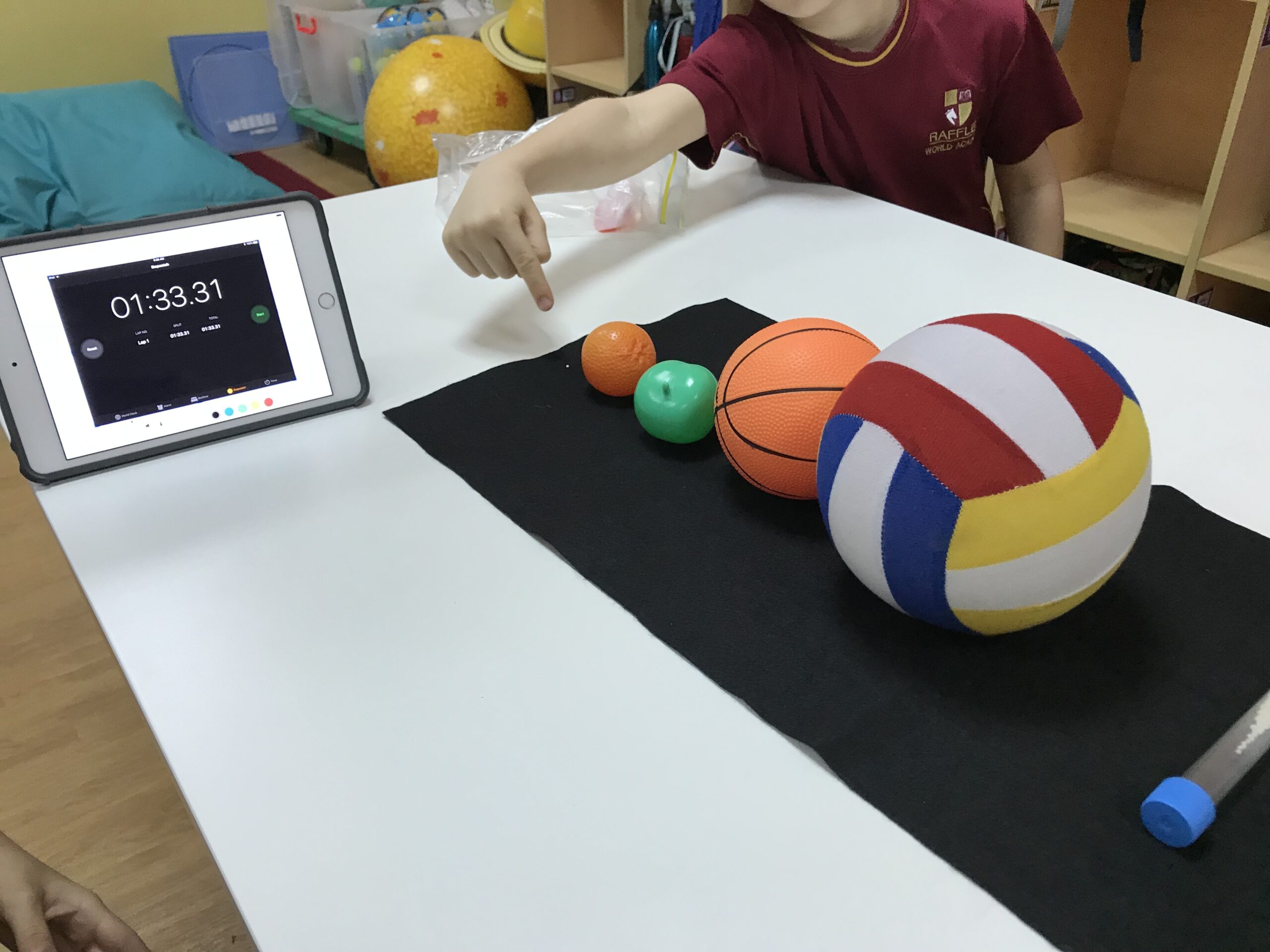
Why do we experience day and night? What causes the phases of the Moon? How does Earth compare to the other planets in our solar system? This engaging and hands-on workshop invites students to explore the wonders of space through interactive investigation. Students discover the structure of our solar system, learn the difference between inner and outer planets, and explore fascinating phenomena such as craters, asteroids, comets, and shooting stars.
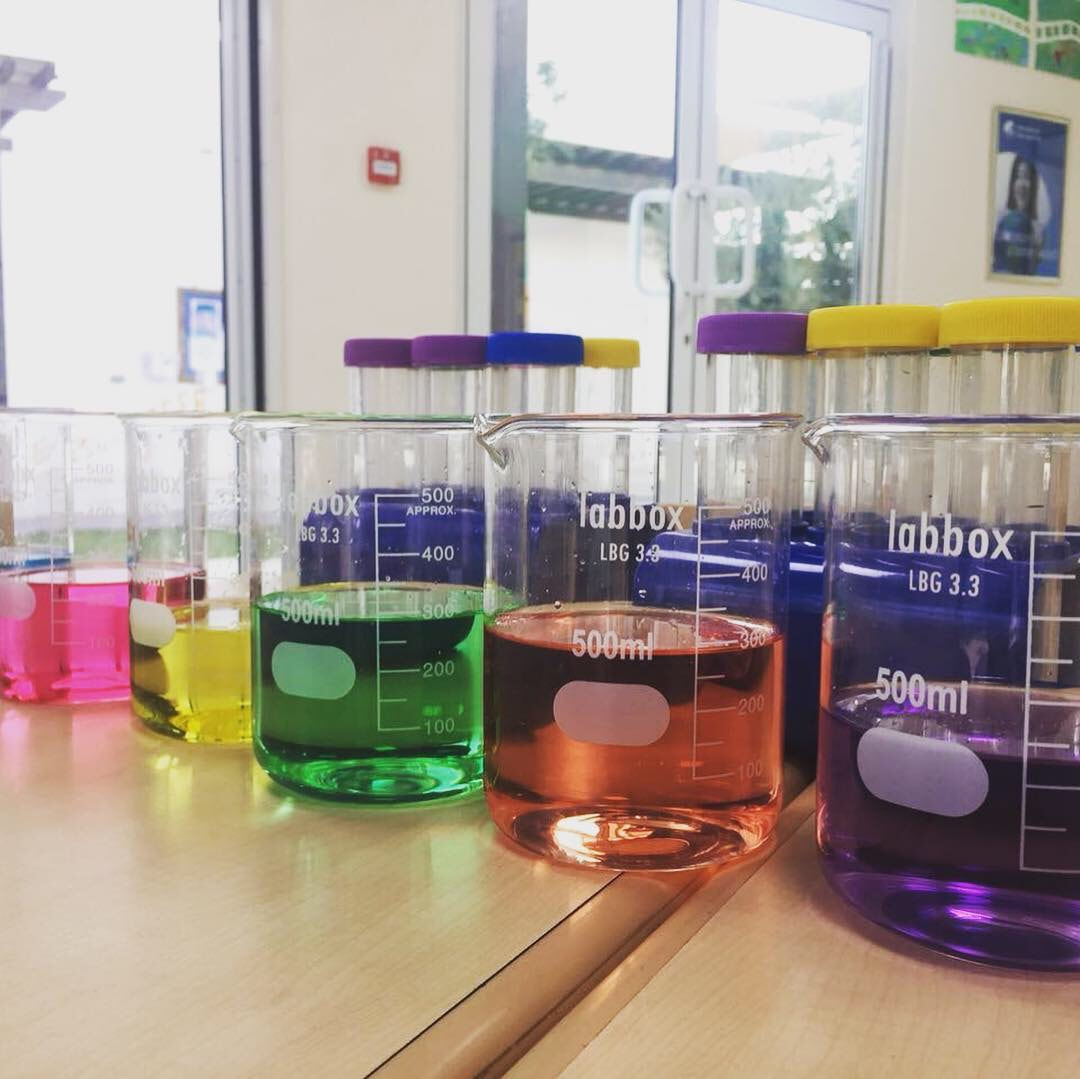
This engaging, hands-on workshop introduces students to the fundamentals of matter, exploring solids, liquids, and gases through interactive scientific investigations. Students learn about non-Newtonian fluids, compare solutions and suspensions, and explore key properties such as conductivity or strength. Through practical experiments, students strengthen their observation and inquiry skills while exploring how matter changes state and learning to recognise the key differences between physical and chemical changes.
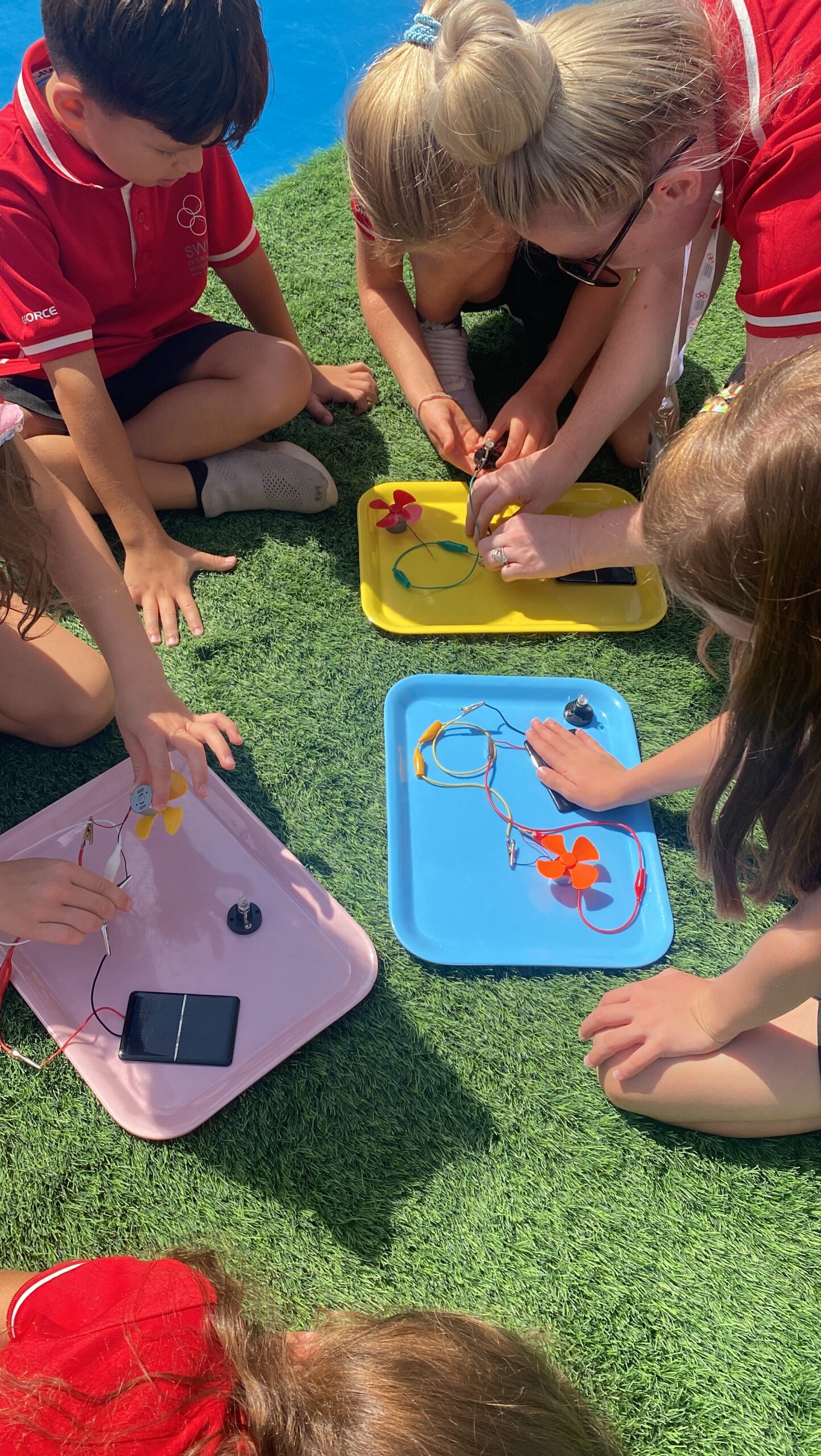
What makes things move, and how does electricity power our world? In this engaging, hands-on workshop, students explore the fundamentals of energy by investigating potential and kinetic energy and discovering how electricity flows. Our young engineers will build and test electrical circuits, identify circuit symbols, and investigate materials to discover what makes a good conductor. The workshop extends into sustainability, where students explore renewable energy and build a simple solar-powered system, connecting scientific concepts to real-world applications.
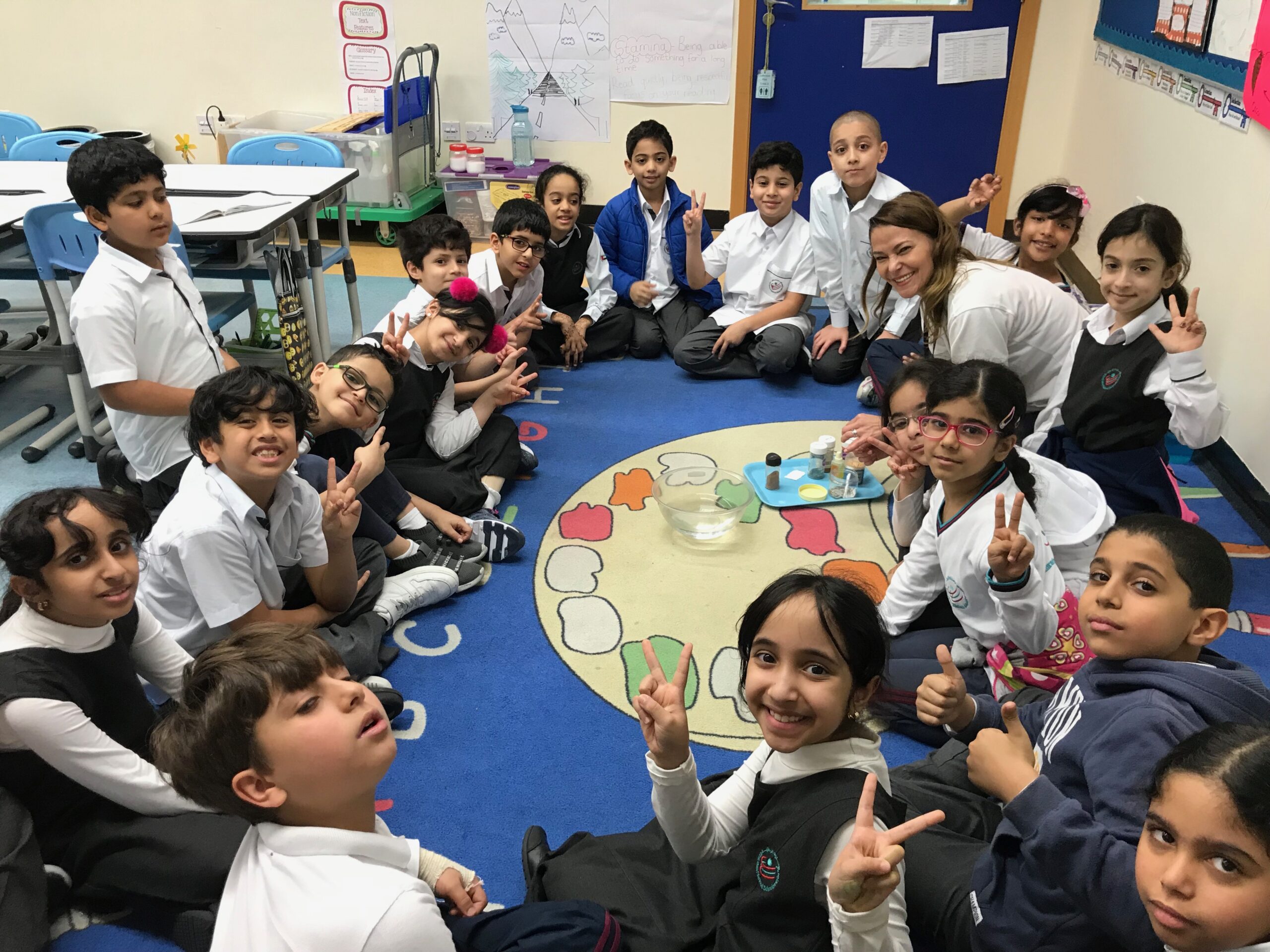
Why is water conservation important, and how can renewable energy support a sustainable future? This engaging, hands-on workshop introduces students to key environmental science concepts through real-world investigation. Students explore the importance of protecting freshwater resources, examine how pollution impacts ecosystems, and investigate the effects of human activity on the environment. Through inquiry-based activities, they design and test their own water filtration systems and discover how solar energy can be harnessed as a renewable power source.
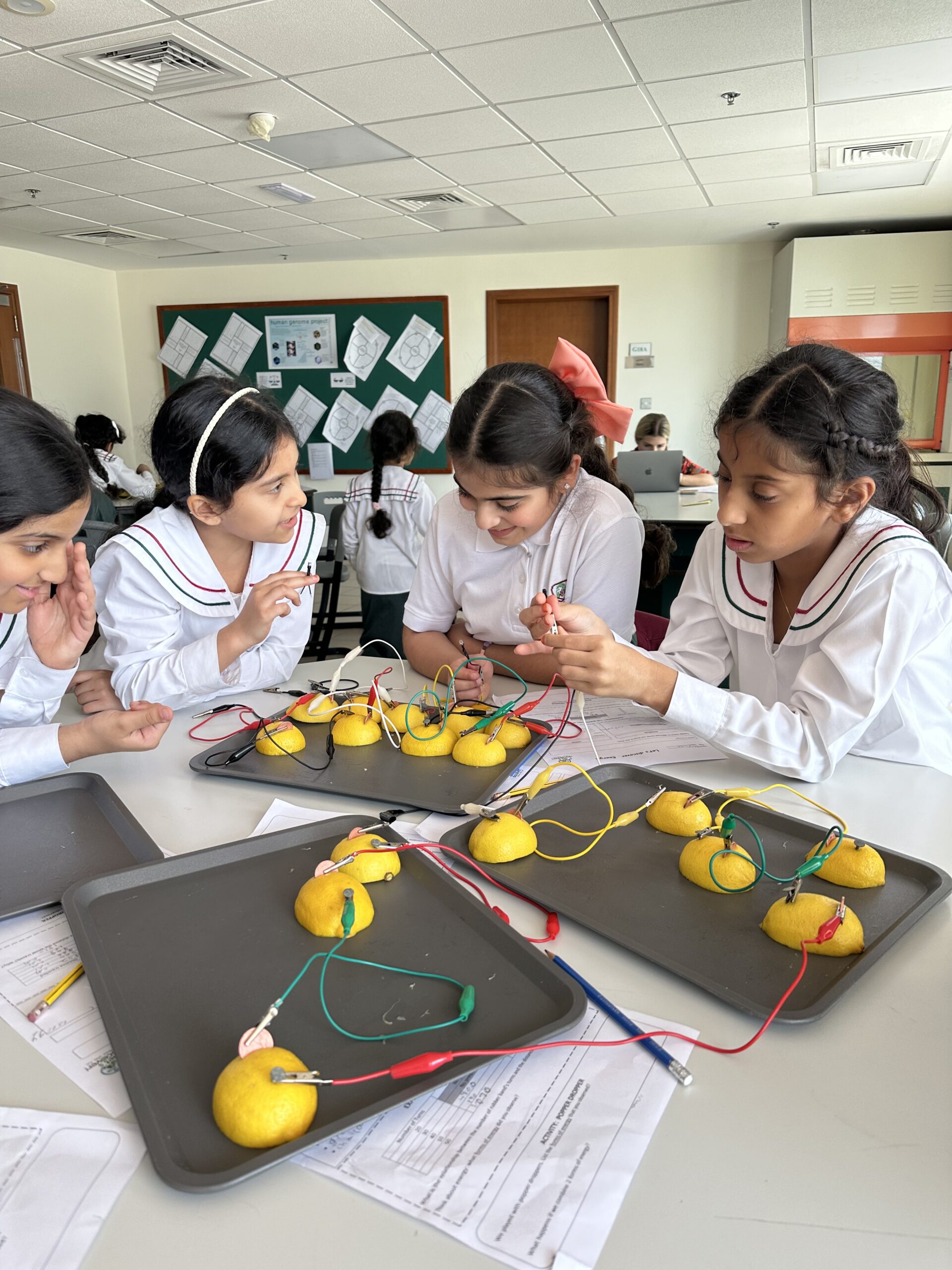
What is energy, and how does it power our everyday lives? How can renewable energy shape our future? This engaging, hands-on workshop introduces students to the fundamentals of energy, exploring potential and kinetic energy and how energy is stored, transferred, and transformed. Through interactive experiments, students investigate different forms of energy and apply their learning by building simple solar-powered circuits, discovering how renewable energy can be harnessed in real-world applications
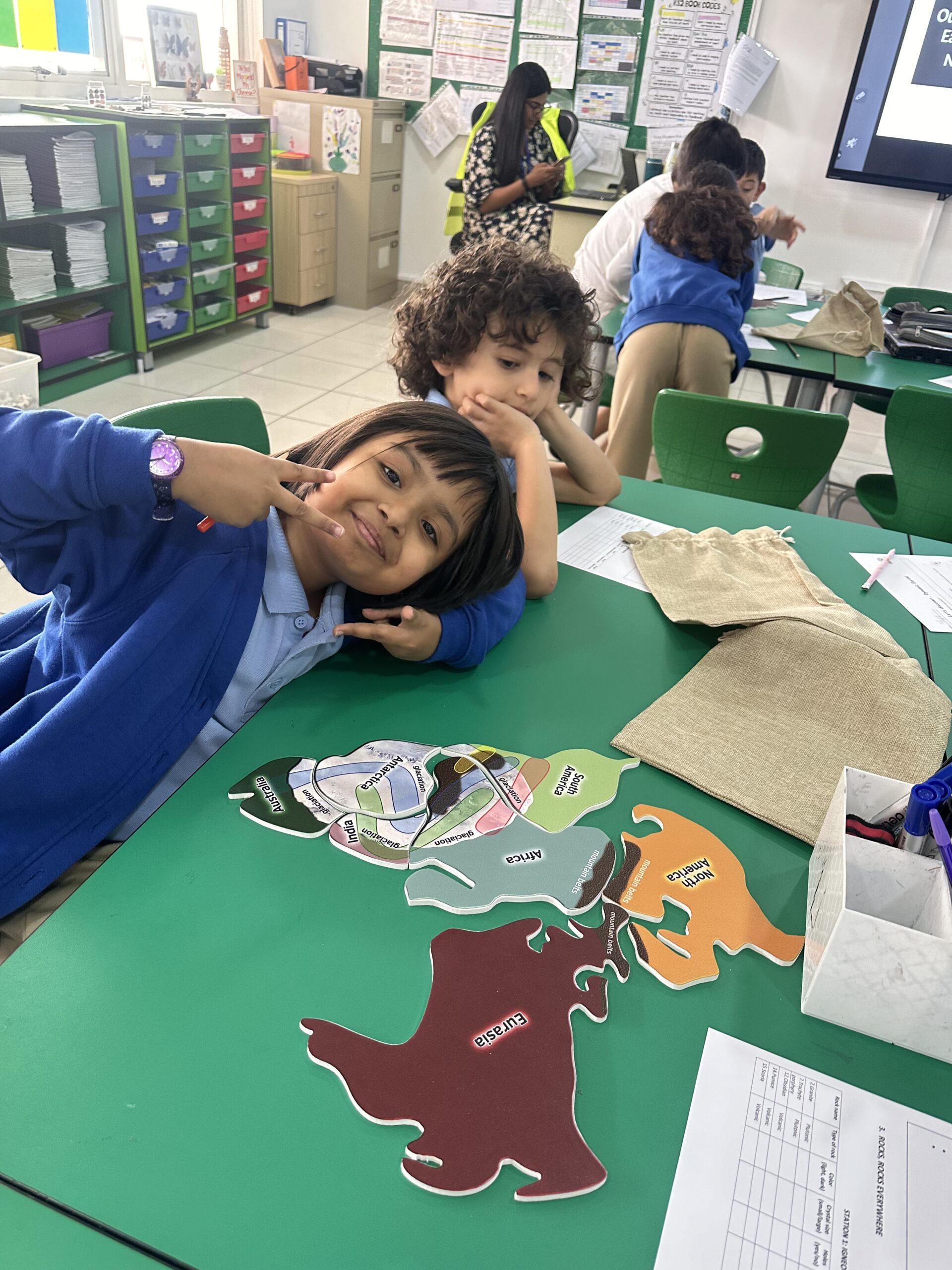
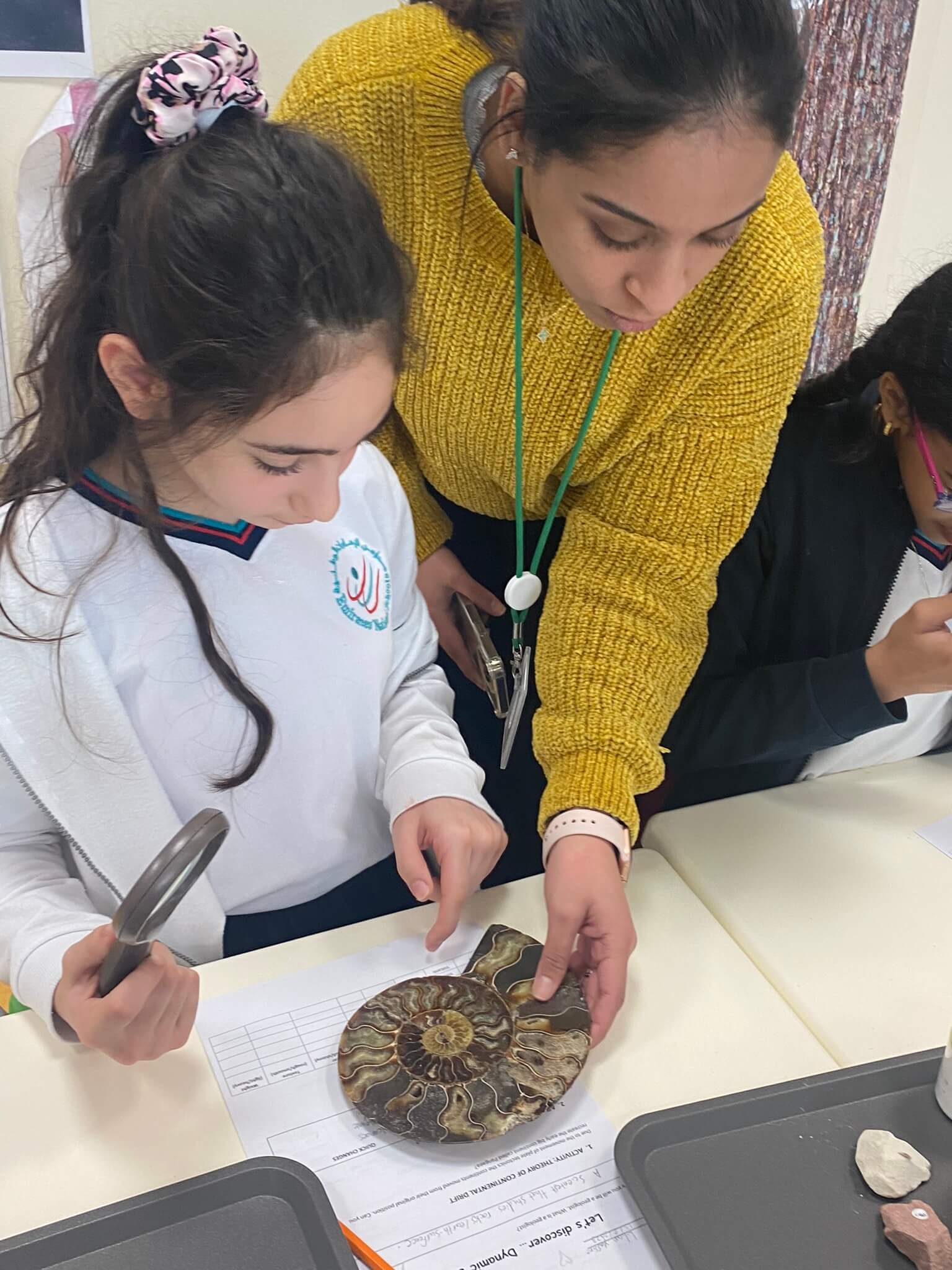
Designed to engage and inspire primary school students passioned about geology, this workshop offers an immersive exploration of our planet and how it works. Students develop a clear understanding of key geological concepts, including the structure of the Earth and the forces that continuously shape its surface. Through a combination of interactive activities, guided discussions, and hands-on experiments, they investigate dynamic processes such as tectonic movement and natural change.
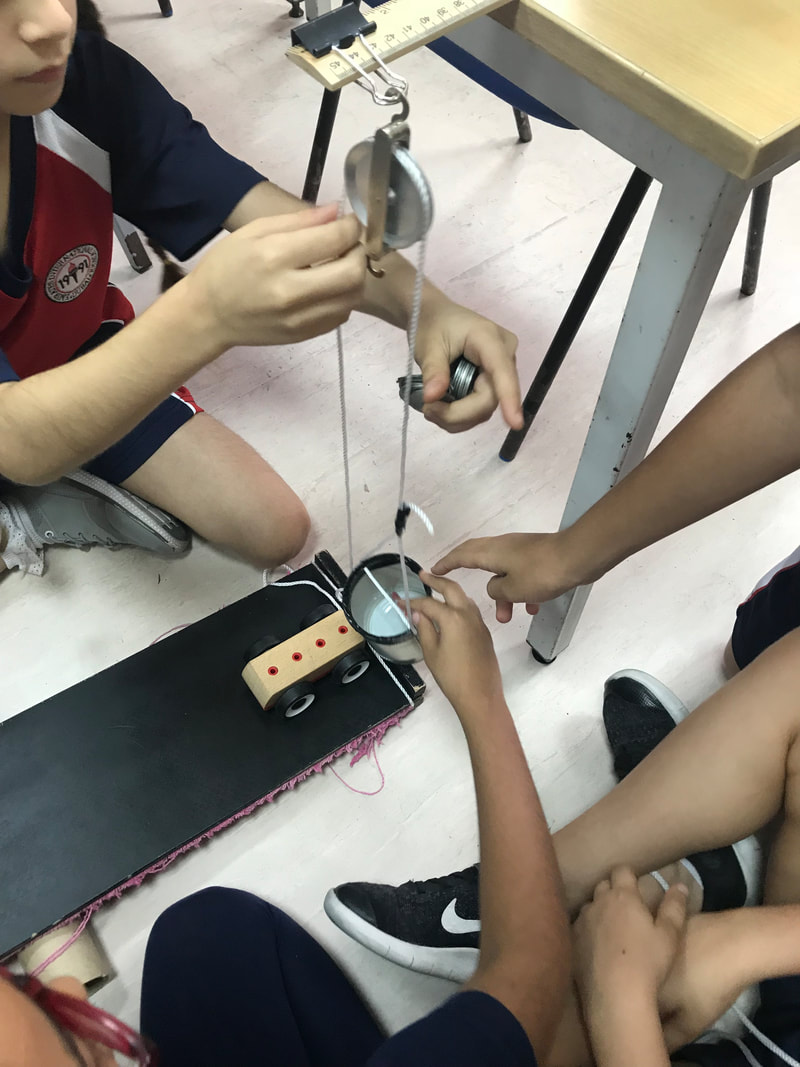
This engaging, hands-on workshop introduces students to the world of simple machines and how they make work easier in everyday life. Through guided exploration, students develop an understanding of key mechanical principles and real-world applications. The experience culminates in an exciting design challenge, where students brainstorm, plan, build, and test their own catapults—applying engineering thinking, problem-solving skills, and creativity to optimise performance and achieve the best results.
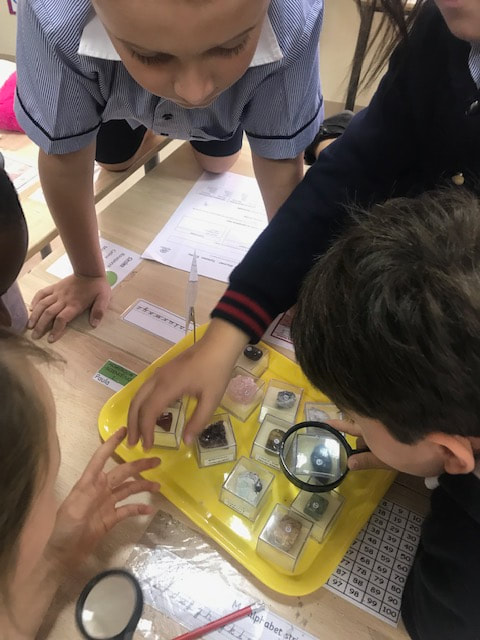
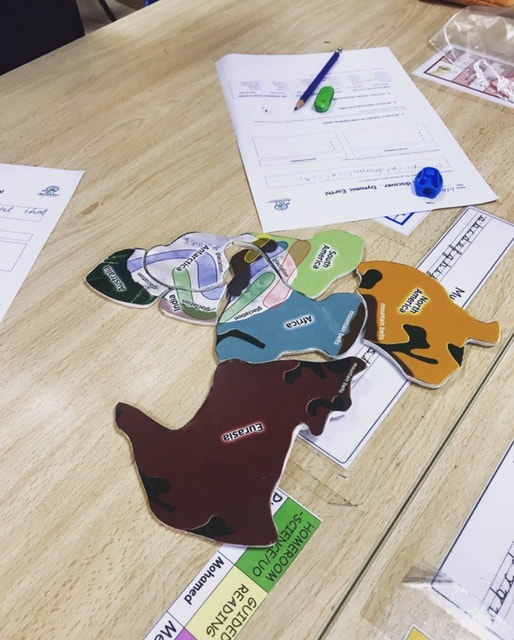
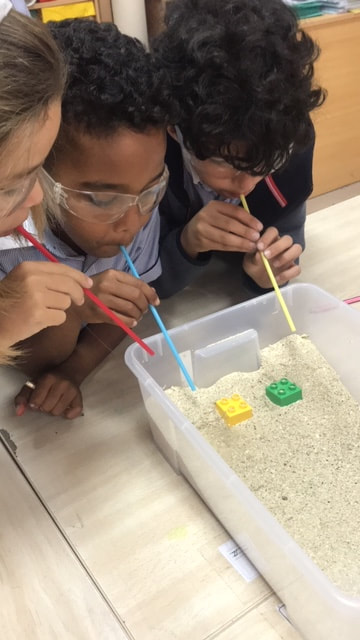
What are plate tectonics and why are they moving? Why volcanoes and earthquakes are happening? What is the difference between weathering and erosion and why our planet is constantly changing?
Couldn’t find a workshop that fits in with your curriculum? Don’t worry! We will be happy to design one for your classes. Send us an inquiry with information about your age group and the topic you are teaching and we will come back to you in a bit with a great workshop that will support your teaching and amaze your students! Tailor-made workshops make Let’s discover unique in the UAE!